August 13, 2026
Maintaining a home involves keeping up with many moving parts, but few components are as critical as the structure overhead. Weather conditions, natural aging, and unexpected storm events constantly test the overall durability of your overhead shelter throughout every season. Small flaws often go unnoticed during daily life until water begins leaking into living areas or causing widespread, costly structural repairs. Spotting early signs of wear and tear allows proactive homeowners to take action before minor issues escalate into major, expensive headaches. Understanding what to look for on your roof and knowing when to schedule a professional evaluation ensures your home stays protected year-round, preserving comfort, safety, and overall property value for years to come.
Curled or Missing Shingles
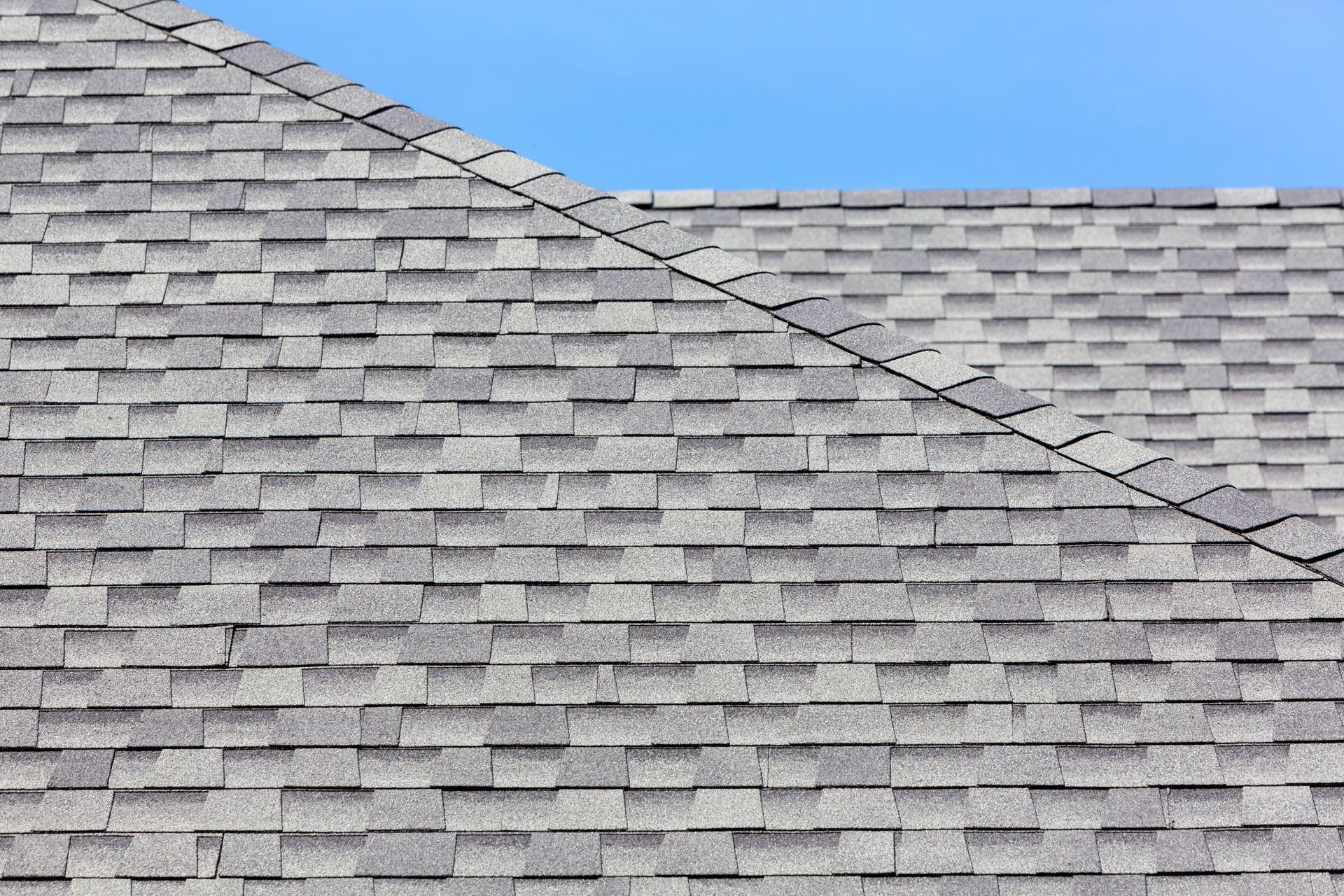
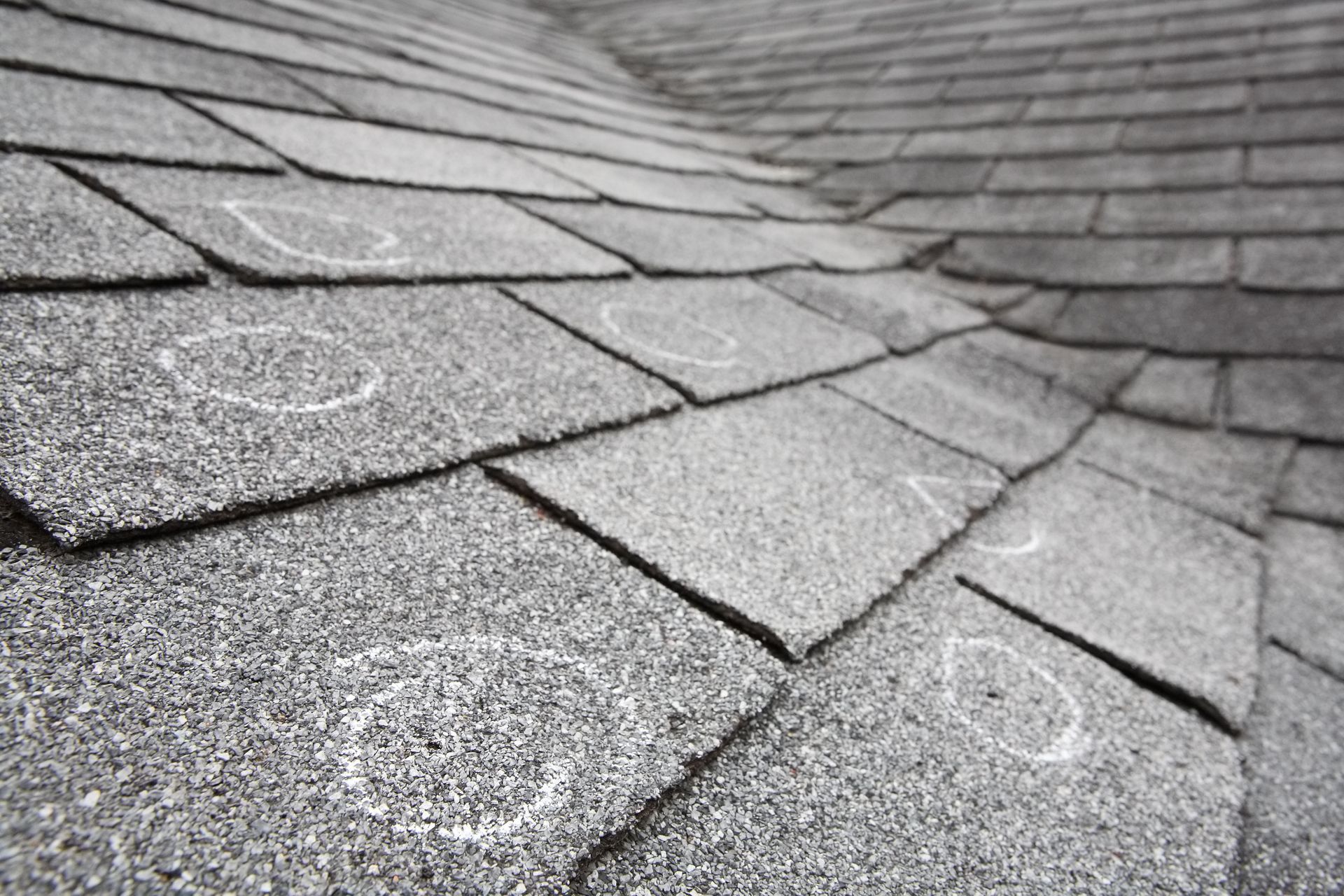
Shingles act as the primary barrier against rain, wind, hail, and harsh sunlight. When individual shingles begin to curl along the edges, crack down the middle, or disappear entirely, your roof rapidly loses its ability to shed water effectively. Physical damage to these surface materials leaves the delicate underlying layers extremely vulnerable to moisture buildup, trapped condensation, and eventual structural rot. Identifying these visible surface flaws early helps prevent water from seeping into the wooden decking and framework below. If widespread shingle deterioration is present across multiple slopes, scheduling a full roofing installation can restore the complete, high-performance protective barrier your house needs to withstand severe weather conditions.
Granule Accumulation in Gutters
As asphalt shingles age and endure continuous weather exposure, they naturally begin to shed the protective mineral granules that cover their outer surface. Finding a heavy, dark accumulation of sand-like debris inside your gutters or downspouts is a clear indicator that the roofing material is wearing thin and losing its primary layer of defense. Without these essential granules, shingles quickly become brittle, absorb excess moisture, and lose their ability to withstand direct sunlight and heavy precipitation. When granule loss becomes severe across large sections, the entire surface weakens rapidly. Investing in a brand-new roofing installation ensures that your house is equipped with fresh, full-thickness materials that offer long-lasting resilience and maximum protection.
Sagging along the Roofline
A healthy, structural roofline should always appear straight, firm, and completely uniform from every exterior angle. If you notice noticeable dips, awkward curves, or visible sagging along the main ridge or individual slopes, immediate attention is required. Sagging usually points to deeply trapped moisture, decaying support rafters, or improper structural weight distribution across the ceiling joints. Ignoring a sagging structure increases the risk of serious, irreversible structural failure over time as weight accumulates. A complete structural evaluation followed by a high-quality roofing installation addresses these underlying structural weaknesses directly, replacing damaged timber and establishing a level, exceptionally sturdy overhead structure.
Interior Water Stains and Discoloration
Water marks on upper ceilings or top-floor walls are clear, unmistakable signs that moisture has successfully penetrated the outer protective barrier. According to This Old House, your roof should be inspected once a year or after any major weather event to catch these hidden moisture pathways early. Even small yellow, brown, or ring-shaped discolorations indicate that water is actively traveling through the attic space and into your primary living areas. Addressing these sneaky leaks promptly stops hidden wood rot and prevents expensive damage to interior drywall and insulation. In cases where recurring leaks stem from systemic material failure, opting for a comprehensive roofing installation provides a reliable, fresh seal across the entire structure.
Peeling Paint and Water Damage near Eaves
Exterior signs of moisture intrusion often appear lower down on the house near the eaves, fascia boards, and soffits. Peeling paint, swollen exterior wood, or discolored trim directly under the roofline usually result from trapped moisture or recurring ice dams. When water cannot drain properly due to surface blockages, it backs up beneath the lower rows of shingles, slowly rotting the surrounding wooden trim and structural framing. A professional assessment will determine whether localized repairs will suffice or if a full roofing installation is required to completely rebuild proper drainage paths and heavy-duty moisture barriers along the edge.
Signs of Moisture in the Attic
The attic offers an excellent, accessible vantage point for catching early warning signs of exterior damage before interior living spaces are affected. Stepping into the attic space during bright daylight hours allows you to check for visible sunlight peaking through the roof boards or dark water streaks along the structural rafters. Damp insulation, a persistent musty odor, or visible wooden rot all indicate that water is entering through compromised points above. Choosing a professional roofing installation resolves these vulnerability points completely, replacing all damaged underlayment, restoring structural integrity, and securing the attic against future harsh weather exposure.
Rising Home Energy Bills
Unexplained spikes in monthly heating or cooling costs often stem directly from poor overhead insulation and ventilation failures. When roofing materials degrade or seals around roof features fail, conditioned warm air escapes during the winter, while excess heat enters the home during summer months. This forces your heating and air conditioning systems to work significantly harder to maintain comfortable interior temperatures. Upgrading your home with a modern roofing installation improves overall energy performance by integrating proper ventilation layers, modern high-density underlayment, and tightly sealed surface materials that keep outdoor temperature extremes where they belong.
Damaged Flashing around Chimneys and Vents
Flashing consists of thin, durable metal sheets installed around chimneys, skylights, plumbing stacks, and vent pipes to seal gaps where the roof surface meets vertical structures. Over time, metal flashing can rust, warp, or pull away from surrounding materials due to seasonal temperature changes and structural shifting. Faulty or misaligned flashing remains one of the most common causes of localized roof leaks in residential homes. Ensuring these delicate transition points are fully sealed during a complete roofing installation guarantees that vulnerable seams remain completely watertight and secure during heavy torrential downpours.
Moss, Algae, and Mold Growth
Dark streaks, black streaks, or thick patches of bright green moss indicate that excessive moisture is actively being trapped against the surface of your home. Moss acts like a sponge by holding onto water, causing shingles to lift and allowing moisture to penetrate the vulnerable wood decking beneath. Over time, this constant dampness weakens the overall framework, encourages fungal growth, and accelerates material decay. When organic growth damages a large portion of the surface, moving forward with a full roofing installation completely resets the exterior surface and removes harmful moisture traps for good.
Aging Beyond Expected Lifespan
Every roofing material comes with an estimated operational lifespan, with standard asphalt shingles typically lasting between twenty and twenty-five years under normal weather conditions. Even if an older roof shows few dramatic signs of visible damage, materials naturally deteriorate, harden, lose vital granules, and lose flexibility over time. An aging surface becomes increasingly susceptible to sudden, catastrophic leaks during major storm events. Planning a proactive roofing installation before widespread failure occurs saves homeowners from dealing with stressful emergency repairs, structural damage, and interior water destruction.
Catching roof damage early is essential for preserving the long-term safety, structural integrity, and monetary value of your home. Regular visual checks, interior attic inspections, and timely evaluations help identify potential issues long before they turn into costly, overwhelming emergencies. Whether dealing with missing shingles, flashing leaks, or general material wear, taking prompt action ensures your house stays fully protected against all elements. If you notice signs of wear or need a complete roofing installation, contact our experienced team at McClintock Roofing today to schedule your comprehensive evaluation.