June 9, 2026
Protecting your home from the elements while enhancing its aesthetic value requires a thoughtful approach to selecting the right materials. This comprehensive guide breaks down various residential roofing options, helping you choose the ideal fit for your specific home architecture, local climate conditions, and long-term budget. Understanding the distinct advantages and potential drawbacks of each material can assist you in making a financially sound investment in terms of longevity, maintenance needs, and overall energy efficiency. The choice you make impacts your comfort, energy consumption, and structural safety, making it necessary to explore how different options respond to environmental stressors over time. Local weather patterns, neighborhood regulations, and personal stylistic goals must all align perfectly to achieve an optimal balance between exterior design and lasting defense.
Beyond standard protection, the ideal roof adds substantial curb appeal and monetary value to your property, making it a cornerstone of residential asset management. By examining the diverse attributes of modern materials, you can confidently navigate the selection process and avoid costly errors that might disrupt your household budget down the road. Every option holds unique properties that dictate how heat transfers into your attic space and how moisture moves away from your foundations.
Selecting Asphalt Shingles
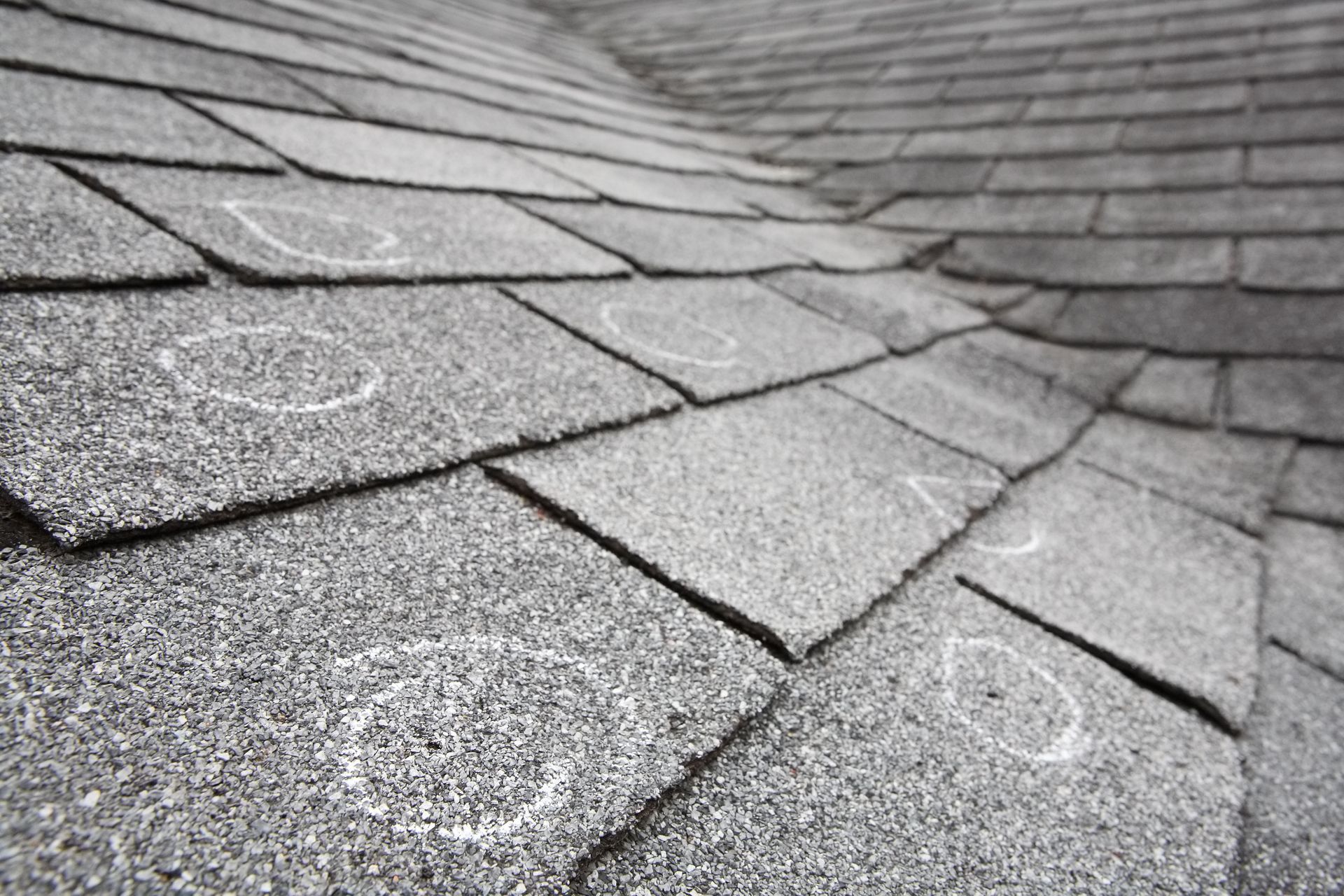
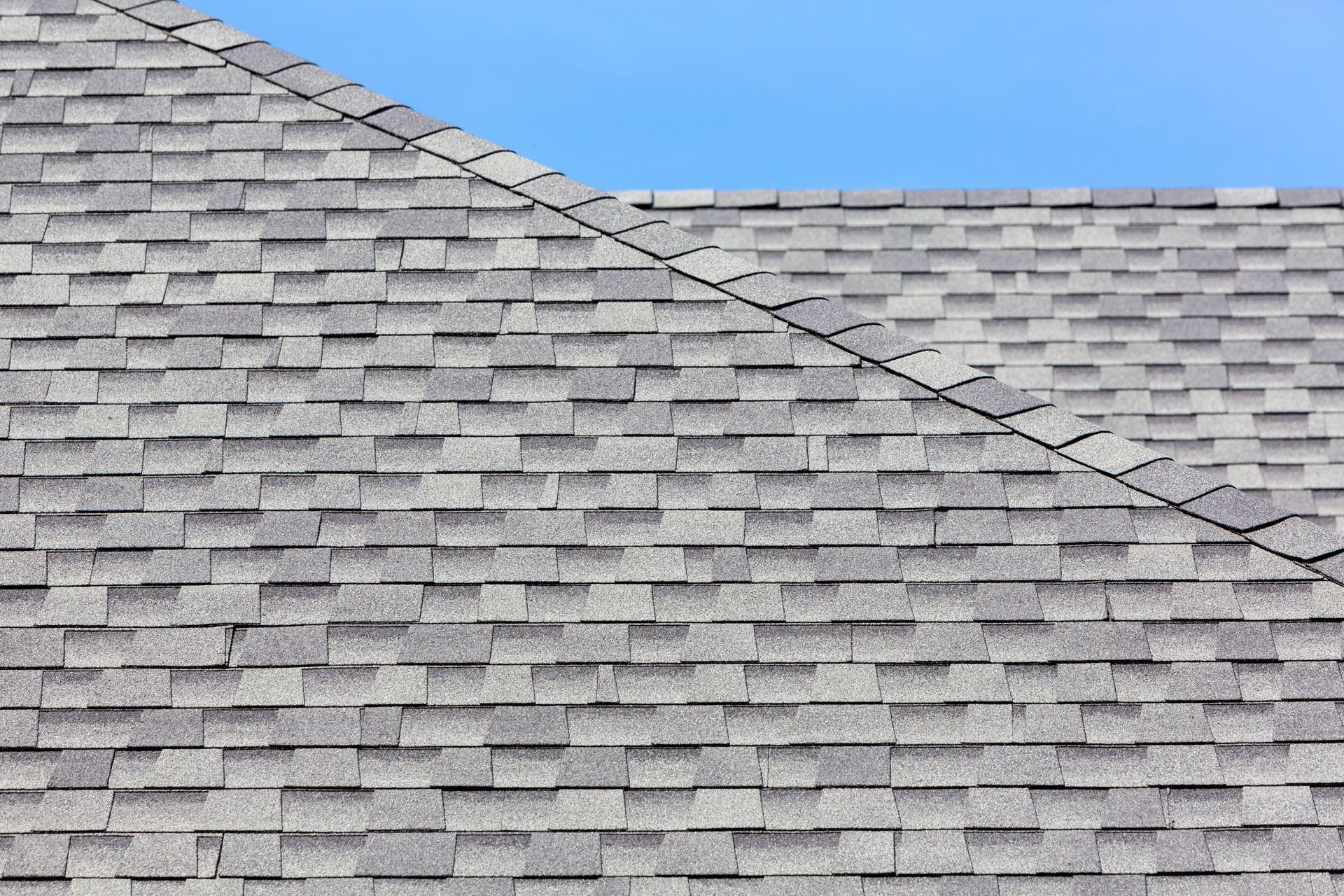
Asphalt shingles remain the most popular residential material across the country due to their affordability and aesthetic flexibility. Homeowners can choose from a vast palette of colors and styles to complement any architectural design, whether traditional or contemporary. The initial cost-effectiveness of this material makes it highly accessible for many budgets, allowing individuals to allocate funds to other home improvement projects. This option also provides excellent sound insulation, creating a quieter indoor environment during heavy rains and intense storms.
When planning an asphalt project, scheduling a professional roofing installation ensures the material achieves its full expected lifespan, which typically ranges from fifteen to thirty years. Modern manufacturing advancements have introduced high-performance architectural shingles that offer enhanced resistance to severe weather conditions, including high winds and moderate hail impact. Many energy-efficient models now feature reflective granules that deflect sunlight, helping to lower cooling costs in warmer climates while potentially qualifying for green building incentives and reducing your carbon footprint. These advanced variations provide a highly customizable appearance that can effectively mimic the texture of slate or wood tile at a fraction of the cost.
Evaluating Metal Systems
Metal roofing has surged in popularity among homeowners seeking exceptional durability and modern appeal. Available in steel, aluminum, copper, and zinc, these systems offer distinct advantages for various geographical regions and architectural preferences. Aluminum stands out for its superior corrosion resistance in coastal areas where salt spray degrades other mediums, while coated steel provides extreme strength and budget friendliness. Copper and zinc develop a beautiful natural patina over time, offering a premium appearance for luxury homes that evolves visually as the decades pass. These roofs are completely non-combustible, offering top-tier resistance against fire hazards.
One of the most significant benefits of metal roofing is its longevity, with an average lifespan ranging from 40 to 70 years, according to This Old House. These roofs withstand heavy snow, high winds, and hail without suffering major structural damage or requiring frequent emergency repairs. Securing an expert roofing installation guarantees proper interlocking of panels and weatherproofing, which maximizes solar heat reflection. This reflective capability can reduce summer cooling bills by up to twenty-five percent, making it a highly sustainable choice for modern eco-conscious households that desire low long-term operation expenses.
Implementing Wood Shakes
Wood shingles and shakes crafted from cedar, redwood, or pine deliver a rustic charm and natural warmth that manufactured alternatives struggle to replicate. The unique texture and rich tones of wood mature gracefully over time, shifting to an elegant silver-gray hue if left unstained. This material provides exceptional natural insulation properties, helping to keep indoor spaces warmer in the winter and cooler during the summer months, which naturally decreases reliance on artificial heating and cooling systems. The organic origin of wood also makes it a favored selection for historic restorations and traditional cottage designs.
To ensure performance, wood components require specialized treatments to resist moisture, rot, and insect damage. Homeowners must commit to routine clearing of debris to prevent fungal growth, clear accumulated leaves, and preserve the structural integrity of the roof over time. Additionally, modern fire-retardant treatments are applied to meet strict local building codes in drought-prone areas, making professional oversight critical during a roofing installation to ensure safety compliance, proper ventilation, and optimal weather resistance. The physical dimension of a split shake provides a shadowed texture line that adds visual depth to your roof layout.
Installing Durable Tiles
Tile roofing encompasses clay, concrete, and slate alternatives, each recognized for creating striking architectural profiles that command attention. Traditional clay tiles are synonymous with Mediterranean and Spanish designs, providing an authentic look that enhances historic neighborhoods. Concrete tiles offer a flexible, budget-friendly alternative that can mimic wood or slate, giving property owners access to premium styles without the associated high material expenses. These materials are completely non-combustible, offering a high level of fire protection alongside exceptional resistance to rot, insects, and harsh coastal salt air. They excel at managing heat dissipation in sun-drenched environments.
The extreme weight of tile requires careful structural evaluation before any project begins. If a home was not originally engineered to support heavy tile, structural reinforcement of the framework is mandatory to avoid sag or collapse. Investing in a professional roofing installation ensures that the heavy tiles are anchored properly to prevent wind uplift during severe tropical storms. Although the initial capital outlay is higher than asphalt, a properly installed tile roof easily exceeds fifty years of service, offsetting the early expenditure through sheer durability and the elimination of frequent replacement cycles.
Investing in Natural Slate
Natural slate represents the pinnacle of luxury, longevity, and timeless elegance in the residential market. Celebrated for its unique textures and rich, unfading color variations, slate elevates the curb appeal and market value of historical and high-end custom properties alike. Because it is a natural stone quarried directly from the earth, slate is entirely eco-friendly and does not emit volatile organic compounds during its incredibly long lifecycle, making it an excellent option for sustainable development. The heavy density of stone provides an impenetrable shield against wind-driven rain and intense UV radiation.
A slate roof can last well over a century, frequently outlasting the very structure beneath it and surviving multiple generations of inhabitants. However, the brittle nature of the stone requires master craftsmanship during a roofing installation to prevent breakage and ensure a completely watertight seal around valleys and flashing. Routine maintenance involves periodic inspections to replace single cracked tiles and clear away moss, preserving a historic aesthetic that provides an unmatched return on investment over many decades of dependable service.
Selecting the right material involves a careful balance of immediate upfront costs, architectural style, environmental impact, and long-term maintenance requirements. Making an informed decision now safeguards your property, enhances energy efficiency, and improves the overall comfort of your living space for decades to come. Every material has a specific environment where it thrives, meaning your local weather patterns must dictate the final choice you make. Partnering with skilled professionals ensures your chosen material performs optimally through every season, protecting your family from unexpected weather volatility and sudden temperature fluctuations.
As you move forward with your property improvements, remember that the quality of craftsmanship matters just as much as the quality of the raw materials chosen. A poorly executed project can compromise even the highest grade stone or metal on the market, whereas a meticulous approach preserves your investment. When you are ready to upgrade your home with a beautiful, long-lasting
roofing installation, contact McClintock Roofing to schedule a comprehensive consultation and secure the future of your property.