May 13, 2026
The integrity of a residential structure begins and ends with the quality of its overhead protection, making the selection of skilled professionals a critical decision for any homeowner. A roof is far more than a simple collection of shingles; it is a complex, engineered system designed to manage moisture, regulate thermal exchange, and withstand the relentless forces of nature. When the installation process is compromised by shortcuts or technical ignorance, the entire investment is placed at risk, leading to premature failure and interior damage that far exceeds the cost of a proper build. Expert roofing contractors bring a level of precision and foresight that DIY efforts or cut-rate laborers simply cannot match, ensuring that every layer, from the deck to the ridge vent, functions in perfect harmony. In a landscape where weather patterns are becoming increasingly unpredictable, the margin for error has narrowed significantly, placing a premium on certified craftsmanship and high-grade materials.
Selecting Qualified Professional Teams
Identifying the right partners for a major home renovation requires a thorough vetting process that goes beyond a simple price comparison or a flashy advertisement. Reputable roofing contractors should possess valid state licenses, comprehensive insurance coverage, and a portfolio of completed projects in your specific geographic area. Their familiarity with local building codes ensures that the structural modifications are legal and safe, preventing future hurdles during a home sale or an insurance claim. A professional team will provide a detailed written estimate that outlines the scope of work and the specific materials to be used, eliminating the ambiguity that often leads to costly disputes.
Evaluating Modern Material Varieties
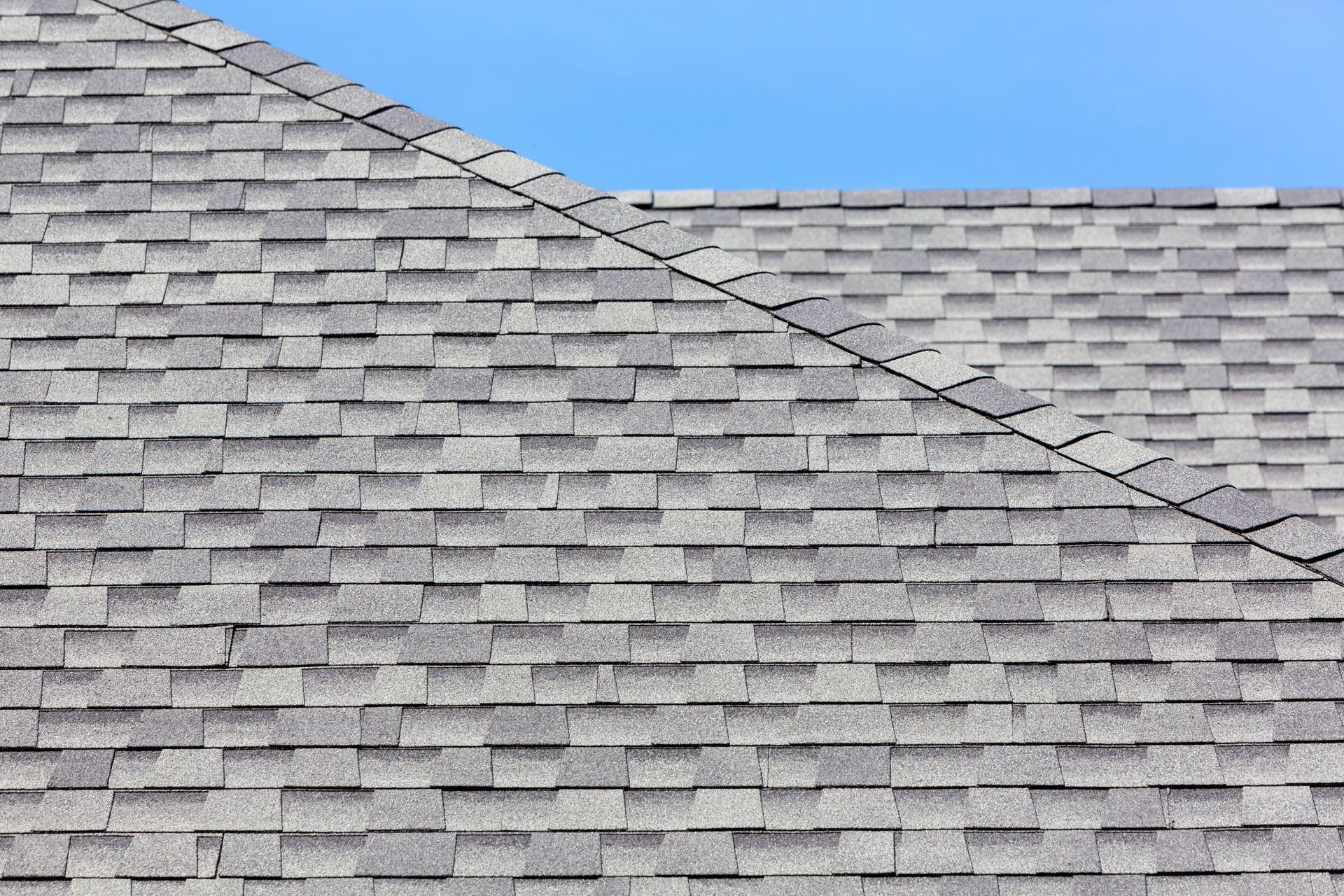
The sheer diversity of modern materials available can be overwhelming, but understanding their market prevalence and functional benefits helps in making an informed selection for your home. According to RoofLink, asphalt shingles hold roughly 73% of the U.S. residential roofing market by volume, while metal roofing accounts for about 17%. These figures reflect a broad preference for the cost-effectiveness of asphalt, though metal is rapidly gaining traction for its extreme longevity and energy efficiency. Knowledgeable roofing contractors can guide you through these statistics to determine which material best suits your local climate, architectural style, and long-term budget, ensuring your choice provides both beauty and lasting protection.
Inspecting the Structural Decking
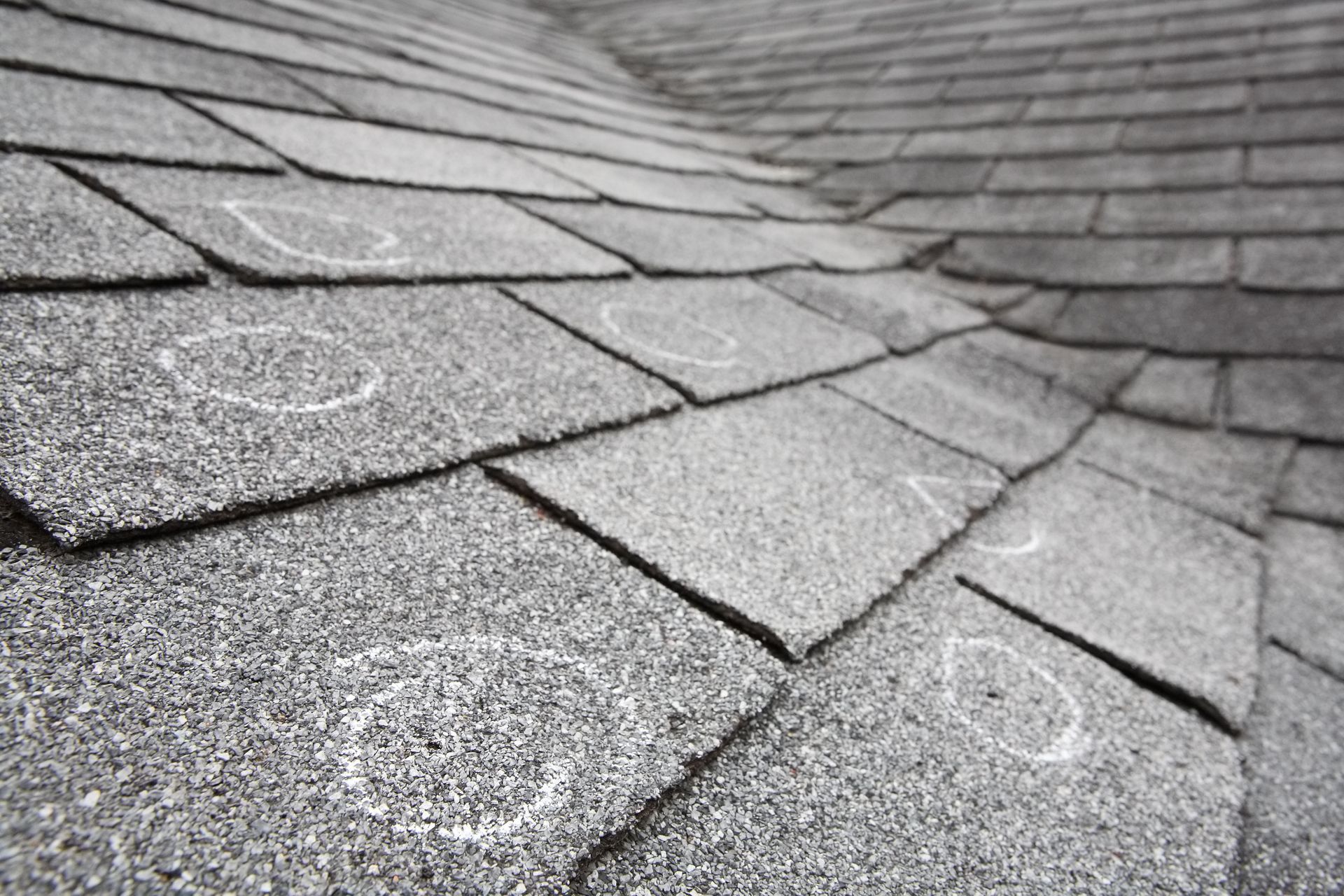
Before a single new shingle is laid down, the underlying wooden deck must be meticulously inspected for signs of rot, delamination, or structural sagging. If the foundation of the roof is compromised, the new surface will inevitably fail, as moisture trapped in the wood can lead to mold growth and weakened fastener grip. Professional roofing contractors prioritize this phase, often replacing entire sheets of plywood to ensure a perfectly flat and secure surface for the underlayment. This attention to the "skeleton" of the roof is what separates a long-lasting installation from a temporary fix that will likely leak within just a few years.
Laying Effective Underlayment Barriers
The second line of defense against water infiltration is the underlayment, a critical layer that sits between the wooden deck and the primary roofing material. Modern synthetic underlayments offer far superior tear resistance and moisture protection compared to the traditional felt paper used in decades past. Expert roofing contractors ensure that this layer is applied with the correct overlap and fastened securely to prevent wind-driven rain from reaching the deck during a storm. In areas prone to ice dams, the application of a leak-proof ice and water shield along the eaves and valleys is a non-negotiable step for a truly professional installation.
Implementing Precise Flashing Techniques
Water damage most frequently occurs at the transition points where the roof meets a wall, chimney, or valley, making flashing installation the most technical part of the job. Precision is required to "step-flash" these areas, ensuring that water is diverted away from the seams and toward the gutter system. Inexperienced laborers often rely on excessive caulk or sealant, which eventually dries out and cracks, whereas master roofers use custom-bent metal to create a permanent, mechanical barrier. Correct flashing is the hallmark of a high-quality roof, providing peace of mind during the most torrential downpours and protecting the home's interior finishes.
Ensuring Proper Attic Ventilation
A roof that cannot "breathe" will essentially cook itself from the inside out, leading to shingle blistering in the summer and destructive ice dams in the winter. Proper ventilation requires a balanced system of intake vents at the soffits and exhaust vents at the ridge to maintain a consistent temperature in the attic space. Certified roofers perform complex calculations to ensure the air exchange rate is sufficient for the square footage of the home, preventing the heat buildup that can void material warranties. This thermal regulation not only extends the life of the roof but also significantly reduces the home's cooling costs.
Fastening Materials With Accuracy
The strength of a roof against hurricane-force winds depends entirely on the placement and depth of the fasteners used to secure each individual shingle or panel. If nails are driven too deeply, they can cut through the material, and if they are too shallow, they can be easily "popped" by the wind. Professional roofers utilize pneumatic tools calibrated to the exact pressure required for the specific material being installed, following the manufacturer’s strict nailing patterns. This meticulousness ensures that the roof stays intact during extreme weather events, preventing the "unzipping" effect where a few loose shingles lead to a total failure of the surface.
Managing Efficient Drainage Systems
Directing water off the roof is only half the battle; ensuring it is channeled safely away from the foundation is the final step in a successful project. Gutters and downspouts must be sized correctly to handle the volume of water generated by the roof’s surface area during a heavy storm. Experienced roofers evaluate the entire drainage perimeter, ensuring that gutters are pitched correctly and that downspout extensions prevent soil erosion near the basement walls. By viewing the roof and gutters as a single integrated system, professionals protect the home from the ground up, preventing basement flooding and foundation settling issues.
Adhering to Safety Protocols
Roofing is consistently ranked as one of the most hazardous professions, requiring a strict commitment to safety equipment and procedures to protect both the workers and the property. Professional teams utilize fall-arrest systems, roof jacks, and specialized ladders to navigate steep pitches safely without damaging the new materials. Beyond personal safety, reputable roofing contractors take measures to protect your landscaping and windows from falling debris during the tear-off phase. This level of professionalism ensures that the project is completed without accidents or property damage, providing a clean and secure work environment that respects the homeowner’s space and peace of mind.
Verifying Manufacturer Warranty Compliance
Most high-end roofing materials come with impressive warranties that can last thirty to fifty years, but these protections are often contingent upon a perfect installation. If the contractor fails to follow the specific instructions regarding ventilation, fastening, or underlayment, the manufacturer may deny a claim for material defects. Professional roofing contractors are often certified by the manufacturers themselves, meaning they have undergone specialized training to ensure every component is installed to the highest standards. This certification provides the homeowner with a secondary layer of protection, guaranteeing that the warranty will be honored if the material fails prematurely due to a manufacturing flaw.
The longevity and performance of your home's roof are inextricably linked to the skill and dedication of the professionals you hire to install it. While the initial cost of expert craftsmanship may be higher, the long-term savings in avoided repairs, energy efficiency, and insurance claims make it the only logical choice for a prudent homeowner. A roof is a sophisticated engineering marvel that requires a deep understanding of physics, chemistry, and meteorology to function correctly. By entrusting your project to certified experts, you ensure that every shingle, vent, and fastener is placed with the precision necessary to survive the harshest elements. Ultimately, the peace of mind that comes with a professionally installed roof is priceless, providing a secure sanctuary for your family and a solid foundation for your financial future. Your home is likely your most significant asset, and it deserves the highest level of protection available in the modern market. Are you in the market for roofing contractors in Eastern Connecticut? The professionals at McClintock Roofing are ready to assist! Call today for more service information.