April 13, 2026
A well-executed roofing installation is one of the most important investments a homeowner can make. Your roof protects your property, enhances curb appeal, and contributes to overall structural integrity. Because of its significance, the installation process requires careful planning, skilled craftsmanship, and attention to detail at every stage. From the initial inspection to the final cleanup, each step plays a vital role in ensuring long-term durability and performance.
Understanding what goes into a professional roofing installation helps homeowners feel more confident when hiring a contractor and setting expectations for the project. It also highlights why working with experienced professionals is essential. The process involves much more than simply placing materials on top of a structure—it is a coordinated effort that combines preparation, safety, precision, and quality assurance.
Below, we will walk through the standard steps involved in a roofing installation, offering insight into what happens behind the scenes and why each phase matters.
1. Assessing the Existing Roof Condition
Before any roofing installation begins, a thorough assessment of the existing structure is necessary. This step allows professionals to evaluate the current state of the roof, identify potential issues, and determine the scope of the project. Contractors carefully inspect for signs of wear, water damage, structural weaknesses, and any underlying problems that may affect the installation.
During this evaluation, professionals also examine ventilation systems, flashing, and the integrity of the decking beneath the existing materials. This comprehensive review ensures that nothing is overlooked and that the new roofing system will be installed on a solid foundation.
In addition to identifying concerns, this step provides an opportunity to discuss material options, design preferences, and long-term goals with the homeowner. Clear communication at this stage sets the tone for a smooth and successful project.
2. Preparing the Site and Materials
Once the assessment is complete and the project plan is established, preparation begins. This phase involves organizing materials, setting up equipment, and ensuring the property is ready for work to commence. Contractors take steps to protect landscaping, outdoor furniture, and surrounding areas from debris.
Proper preparation also includes delivering roofing materials to the site and staging them in a way that allows for efficient installation. Every element is carefully planned to minimize disruptions and maintain a safe working environment.
Safety is a top priority during this stage. Professional teams implement measures such as securing ladders, setting up protective barriers, and ensuring all workers are equipped with appropriate gear. These precautions help prevent accidents and keep the project running smoothly.
3. Removing the Old Roofing Materials
The next step in a roofing installation involves removing the existing roofing materials. This process, often referred to as a tear-off, is essential for exposing the underlying structure and preparing it for the new system. Removing old materials allows contractors to inspect the decking more closely and address any hidden issues.
During this phase, professionals work systematically to ensure that debris is safely removed and disposed of properly. Care is taken to avoid damage to the surrounding property while maintaining efficiency.
This step is critical because installing new materials over a compromised surface can lead to long-term problems. By starting with a clean and stable base, contractors can ensure that the new roof performs as intended.
4. Inspecting and Repairing the Roof Deck
With the old materials removed, the roof deck becomes fully visible. This layer serves as the foundation for the entire roofing system, making its condition a key factor in the success of the installation. Contractors carefully inspect the decking for signs of rot, moisture damage, or structural weaknesses.
If any issues are discovered, necessary repairs are made before proceeding. This may involve replacing damaged sections or reinforcing areas that require additional support. Addressing these concerns at this stage helps prevent future complications and extends the lifespan of the new roof.
A strong and stable roof deck ensures that the roofing materials can be properly secured and that the system will withstand environmental stress over time. This step reflects the importance of attention to detail and the value of professional expertise.
5. Installing Underlayment and Protective Layers
Once the roof deck is in optimal condition, the next phase of roofing installation focuses on adding protective layers. Underlayment is installed to create a barrier between the decking and the outer roofing materials. This layer provides additional protection against moisture infiltration and enhances the overall durability of the system.
In addition to underlayment, professionals install components such as flashing and drip edges. Flashing is used around areas where the roof meets vertical surfaces, such as chimneys or vents, to prevent water from seeping in. Drip edges help direct water away from the roof and protect the edges from damage.
These elements work together to create a comprehensive defense system that safeguards the home from environmental factors. According to RoofLink, 90% of U.S. homeowners correctly identified asphalt shingles as the most common roofing material, which highlights the importance of proper installation techniques to ensure these materials perform effectively.
By carefully layering these protective components, contractors create a foundation that supports both functionality and longevity.
6. Installing the Roofing Materials
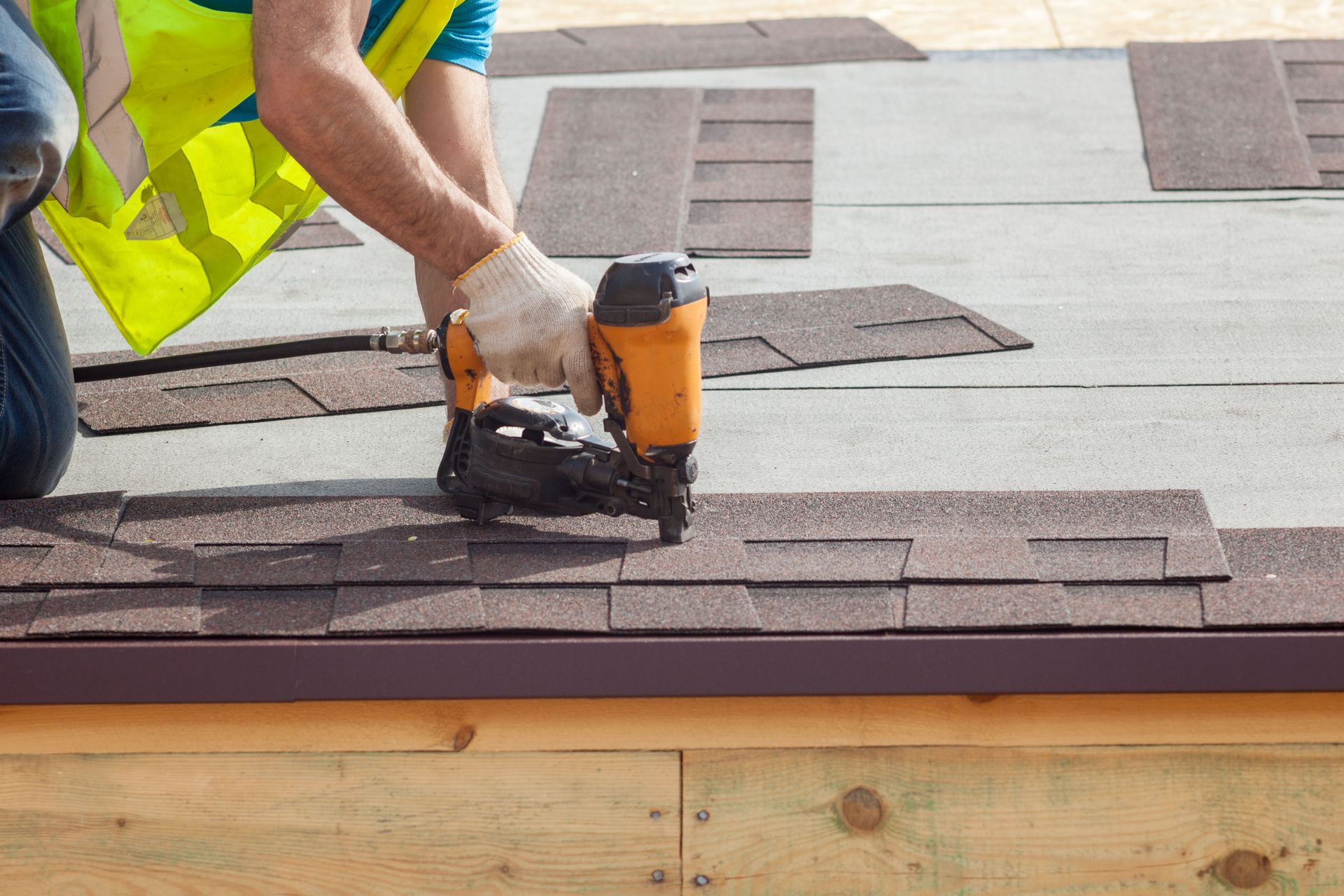
With the protective layers in place, the installation of the primary roofing materials begins. This step is where the roof starts to take its final shape and appearance. Whether using shingles or another material, professionals follow precise techniques to ensure proper alignment, spacing, and secure attachment.
Each material is installed according to manufacturer guidelines and industry standards. This attention to detail ensures that the roof can withstand weather conditions while maintaining its visual appeal. Proper installation also helps prevent issues such as leaks, lifting, or premature wear.
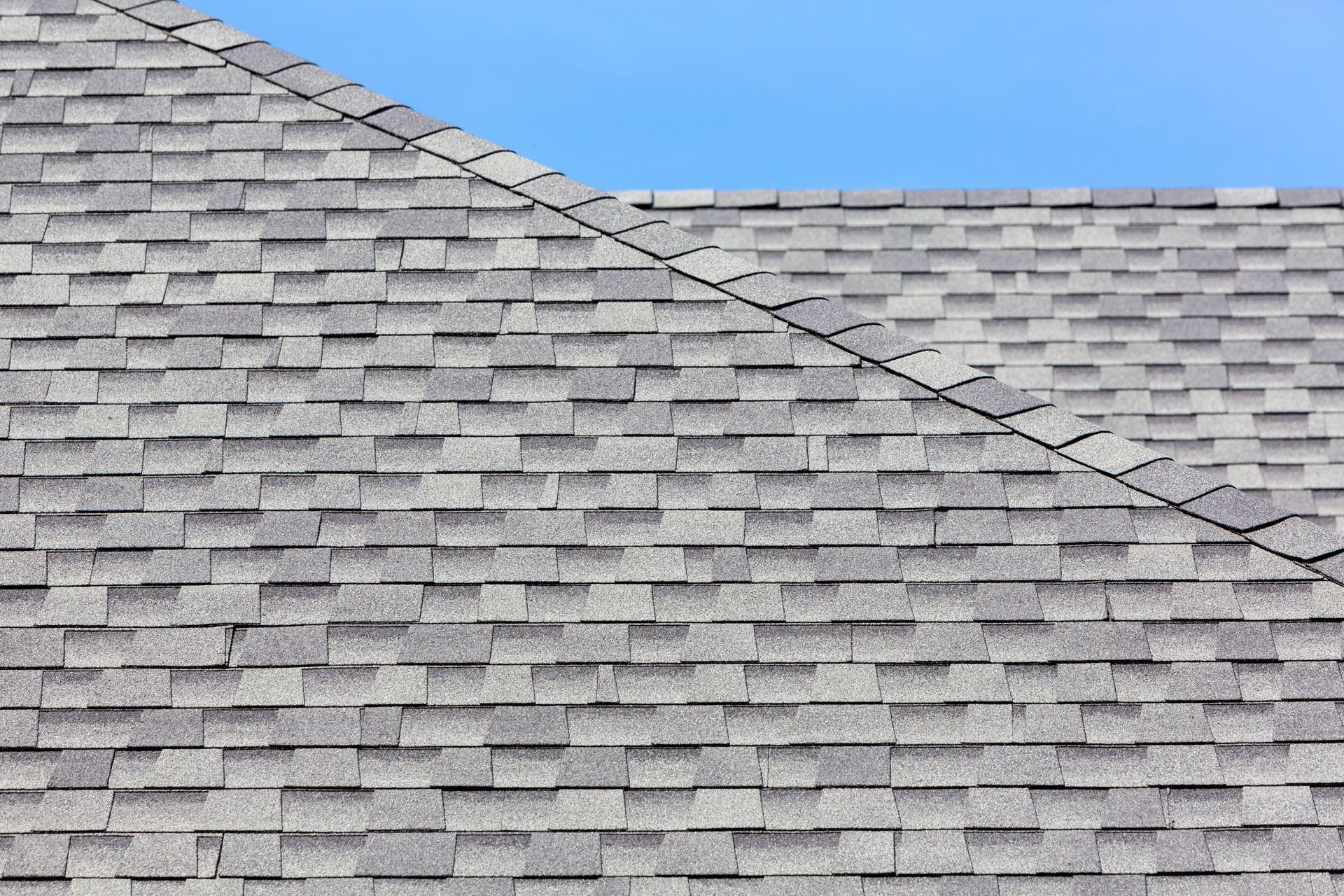
During this phase, contractors work methodically to cover the entire surface of the roof, paying close attention to edges, valleys, and other critical areas. These details play a significant role in the overall performance of the roofing system.
A well-executed roofing installation not only enhances the appearance of a home but also provides peace of mind, knowing that the structure is protected by a reliable and durable system.
7. Completing Final Inspection and Cleanup
The final stage of a roofing installation involves a comprehensive inspection and thorough cleanup. Contractors review every aspect of the project to ensure that all components have been installed correctly and that the roof meets quality standards.
During the inspection, professionals check for proper alignment, secure fastening, and the integrity of all protective elements. Any necessary adjustments are made to ensure optimal performance.
Cleanup is equally important. All debris, leftover materials, and equipment are removed from the site, leaving the property clean and safe. Contractors take care to respect the homeowner’s space and restore the area to its original condition.
This final step reflects the professionalism and commitment of the installation team. It ensures that the project is completed to the highest standards and that the homeowner is fully satisfied with the results.
A standard roofing installation is a detailed and carefully coordinated process that requires expertise at every stage. From the initial assessment to the final inspection, each step contributes to the overall success of the project. By understanding what goes into the process, homeowners can make informed decisions and appreciate the value of professional workmanship.
Investing in a properly installed roof provides long-term benefits, including enhanced protection, improved aesthetics, and increased confidence in the safety of your home. Choosing experienced professionals ensures that every aspect of the installation is handled with care and precision.
When it comes to protecting your home, we understand how important it is to have a roof you can rely on. At McClintock Roofing, we take pride in guiding our customers through every stage of the roofing installation process, ensuring quality, durability, and peace of mind. Let us help you create a roofing solution that meets your needs and stands the test of time.